

Why Paid Media Is Non-Negotiable for B2B Growth
Definitely not. But the version most teams are still running is. The old playbook—blogs for traffic, ebooks for leads, and disconnected nurture emails—has expired. What hasn’t changed is the core principle: attract the right buyers with real value, capture their intent in a structured way, and turn that intent into measurable revenue.
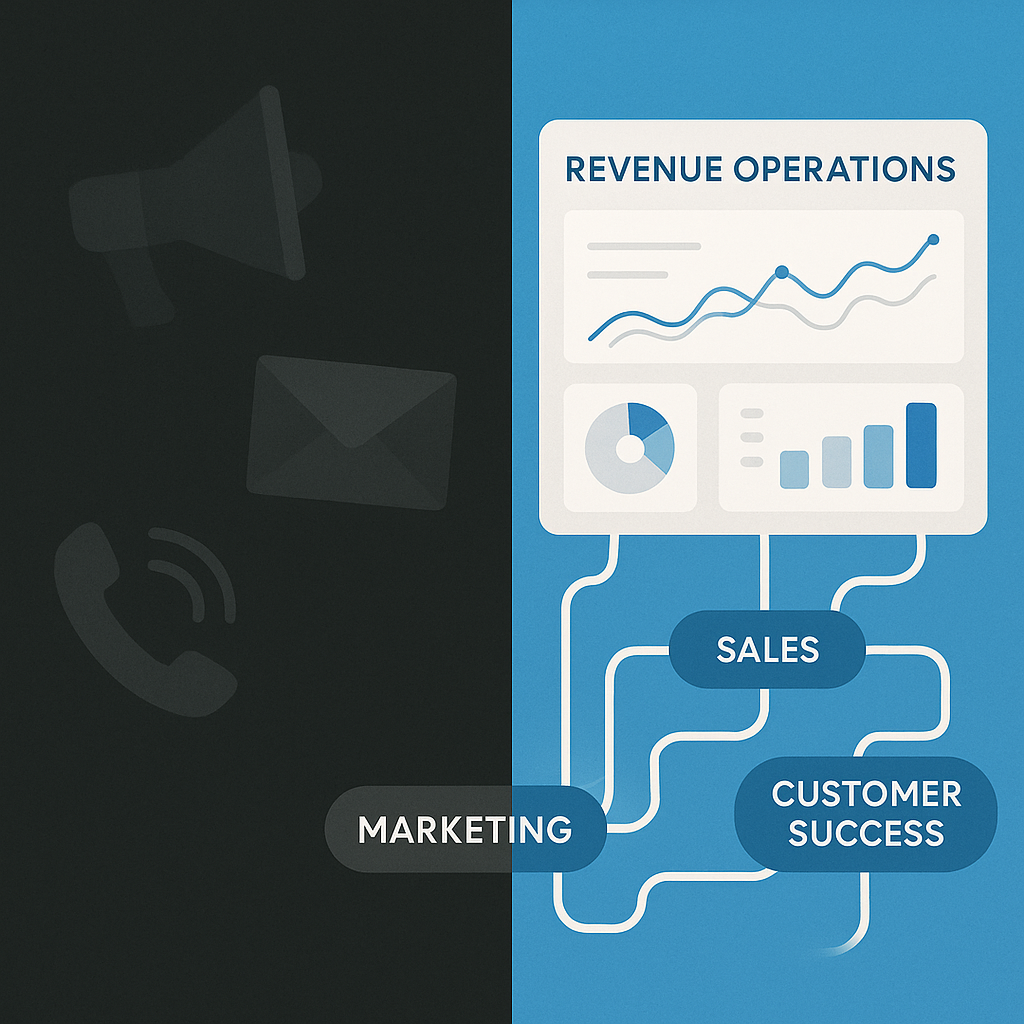
The difference today is that inbound only works when it’s wired into a unified revenue architecture— where paid, social, lives, webinars, blog, and podcast all feed one CRM, one source of truth, and a system explicitly designed to create pipeline and closed-won deals, not just page views and MQL counts.
In this post, we’ll break down six modern inbound marketing plays—paid media, social, social lives, webinars, blog content, and podcasts — and show you how to architect each one inside HubSpot so it becomes a predictable revenue engine, with clean data, clear attribution, and operational discipline to match.
Paid Media From Clicks to Pipeline: Turning Paid Media into a Predictable Revenue Engine
Here's the uncomfortable truth: most B2B companies are burning cash on paid media that generates clicks but never converts to pipeline. The fundamental mistake? Treating paid media as a lead volume play instead of a revenue architecture decision.
The evolution of paid media in modern inbound isn't about getting more eyeballs—it's about engineering a system where every dollar spent can be traced back to closed revenue. LinkedIn Ads, Google Ads, and Meta (yes, even for B2B) can absolutely drive predictable pipeline, but only when they're architected as part of a unified demand generation system, not as isolated campaigns managed by different teams with conflicting KPIs.
Consider this: when your paid media campaigns feed directly into a properly configured CRM with intelligent lead scoring, progressive profiling, and automated nurture sequences, you're no longer guessing which channels work. You're operating with a single source of truth that shows cost-per-opportunity, cost-per-closed-deal, and true channel ROI. That's the difference between spending and investing.
For LinkedIn Ads specifically—the gold standard for B2B demand—the magic happens when you move beyond job title targeting and start leveraging account-based strategies synchronized with your CRM data. Retargeting engaged blog readers, targeting accounts already in your pipeline, or suppressing current customers: these aren't advanced tactics anymore. They're table stakes for companies serious about predictable revenue.
The transformation from 'paid media as expense' to 'paid media as revenue engine' requires three structural commitments: proper attribution modeling in your CRM, closed-loop reporting between marketing spend and sales outcomes, and the discipline to kill underperforming channels fast. Most companies fail at all three because they're still treating paid media like it's 2015.
Social Media Beyond Vanity Metrics: Building a Revenue-Focused Social Media System
Let's address the elephant in the room: your social media metrics are lying to you. Impressions, reach, and engagement rates feel good in a Monday morning meeting, but they don't pay salaries or fund growth. The companies winning with social media in 2024 have stopped chasing vanity metrics and started building revenue-focused systems.
What does that actually mean? It means treating social media channels—LinkedIn, Twitter, even YouTube—as top-of-funnel demand generation assets that feed directly into your CRM, not as brand-awareness experiments floating in isolation. Every piece of social content should have a clear next step: download a resource, book a demo, subscribe to your newsletter, engage with gated content.
The structural shift required here is brutal but necessary: stop measuring social success by likes and shares. Start measuring it by influenced pipeline, content-assisted deals, and the velocity at which social-sourced leads move through your funnel. This requires technical infrastructure—UTM parameters that don't break, CRM integration that actually tracks source attribution, and dashboards that show marketing leadership what's really working.
Here's where most companies break down: they publish consistently (good), they get decent engagement (fine), but they have absolutely no idea whether any of it contributes to revenue (fatal). The fix isn't more content or better graphics. The fix is operational: implement proper tracking, build conversion pathways from social to site to CRM, and establish a feedback loop that tells you which topics, formats, and platforms are actually generating pipeline.
LinkedIn remains the dominant B2B social channel, but only if you're using it strategically—not just broadcasting company updates. Thought leadership from your executives, employee advocacy programs, and organic engagement with your ICP's content create compounding returns. But you'll never see those returns if your social media isn't connected to your revenue operations infrastructure.
Social Media Lives Going Live for Pipeline: Using Social Media Lives to Capture and Qualify Demand
Live video is the most underutilized demand capture mechanism in B2B marketing, and it's not even close. While your competitors are still debating whether to invest in live content, smart revenue teams are using LinkedIn Live, YouTube Live, and Instagram Live to generate qualified pipeline in real time.
The strategic advantage of live content isn't just authenticity or engagement—though both matter. The real edge is velocity. Live sessions allow you to compress what would normally be a weeks-long nurture sequence into a single 45-minute session. You educate, build authority, address objections, and capture intent signals simultaneously. That's not content marketing; that's revenue acceleration.
But here's where most companies fumble: they go live, deliver great content, get decent attendance, and then… nothing. No follow-up automation, no CRM integration, no lead scoring based on attendance duration or question quality. The attendee list sits in a spreadsheet while your sales team wonders why marketing isn't generating enough pipeline.
The technical architecture for live-to-pipeline conversion isn't complicated, but it is precise. You need: registration forms that feed directly into your CRM with proper campaign attribution, automated post-event nurture sequences triggered by attendance behavior, and a scoring model that prioritizes engaged attendees for immediate sales follow-up. Most critically, you need sales and marketing aligned on what constitutes a 'qualified live attendee' before you go live.
The companies seeing real ROI from live content aren't running one-off events—they're building 'always-on' live programming: weekly office hours, monthly deep dives, quarterly strategy sessions. This consistency creates habitual engagement and turns your live channel into a predictable source of qualified demand. But only if you're treating it like a revenue system, not a content experiment.
Webinars Webinars as Revenue Accelerators: From One‑Off Events to Always‑On Inbound
Webinars have been the workhorse of B2B inbound for over a decade, but most companies are still running them like 2012. The evolution isn't about better slide decks or more polished presenters—it's about transforming webinars from isolated events into an always-on revenue system.
The difference between a one-off webinar and a revenue accelerator comes down to three structural decisions: evergreen availability, intelligent gating strategies, and deep CRM integration. That live webinar you hosted last quarter? It should still be generating qualified leads today as on-demand content, with automated nurture sequences that adapt based on how much of the recording someone watched.
Here's what sophistication looks like: A prospect registers for your on-demand webinar (lead capture). Your CRM tracks that they watched 78% of the content (engagement signal). An automated workflow immediately sends them a relevant case study and books a calendar link for a product demo (conversion acceleration). Your sales team receives an alert with full context before the call even happens (sales enablement). That's not marketing automation—that's revenue architecture.
Most webinar programs fail because they're managed as discrete projects with beginning and end dates, instead of as perpetual assets in a demand generation system. The registration page gets deleted, the recording sits unused in someone's Google Drive, and any momentum generated during the live session dissipates within 72 hours. That's not a content problem; that's an operational failure.
To turn webinars into predictable pipeline generators, you need to commit to three things: a consistent cadence (monthly at minimum), a webinar-to-workflow automation framework that nurtures attendees and no-shows differently, and closed-loop reporting that shows exactly how many opportunities and closed deals originated from or were influenced by webinar engagement. Without those three elements, you're just hosting Zoom calls with better production value.
Content (Blog) From Blog Posts to Revenue Architecture: Designing a Content Engine that Sells
Your blog isn't a publishing platform—it's a revenue asset. Or at least, it should be. The problem is that most B2B companies are still writing blog content like it's 2010: keyword-stuffed articles optimized for search engines but utterly disconnected from actual business outcomes.
The shift from 'content marketing' to 'content as revenue architecture' requires a fundamental reframe. Every blog post should serve a specific function in your demand generation system: top-of-funnel awareness that captures search intent, mid-funnel education that qualifies and nurtures, or bottom-funnel enablement that accelerates deals already in pipeline. If you can't articulate which function a blog post serves, you shouldn't publish it.
Here's the operational structure that transforms blogs into pipeline generators: topic clusters organized around high-intent buyer keywords, conversion pathways on every post (gated resources, demo requests, newsletter subscriptions), and smart CTAs that change based on the reader's lifecycle stage in your CRM. Most companies have none of this. They publish, they pray, and they wonder why content marketing 'doesn't work for us.'
The technical infrastructure matters more than the writing. A brilliantly written post that isn't properly tagged in your CRM, doesn't trigger scoring or workflows, and can't be measured for pipeline influence is functionally useless from a revenue perspective. You need: proper UTM tracking on every promotional channel, CRM integration that captures which content assets a lead engaged with before converting, and attribution reporting that shows content-assisted revenue.
Consistency is the variable that separates content engines from content experiments. Publishing sporadically when someone has time doesn't build organic authority or compound SEO value. The companies winning with blog content are publishing weekly (minimum), building topic authority over time, and treating their blog like critical revenue infrastructure—not a marketing nice-to-have. If you can't commit to consistent publishing supported by proper operational infrastructure, you're better off focusing resources elsewhere.
Podcast Podcast-Driven Inbound: Turning Conversations into Consistent, Trackable Revenue
Podcasts represent the ultimate long game in inbound marketing, and most companies quit three months in because they can't see immediate pipeline impact. That's a failure of expectations and measurement, not a failure of the channel. When properly integrated into your revenue operations, a podcast becomes one of your highest-leverage demand generation and authority-building assets.
The strategic value of podcasting isn't just audience building—it's relationship acceleration. Every guest on your show is a potential partner, referral source, or customer. Every episode creates multiple content assets: the audio itself, video clips for social, blog transcriptions for SEO, and email nurture sequences. One hour of recording can generate 10+ pieces of derivative content when you have the operational infrastructure to support it.
But here's where most B2B podcasts fail: they treat the show as a standalone media property instead of as an integrated component of their demand engine. There's no listener-to-lead conversion pathway, no CRM tracking of which prospects are consuming episodes, no sales enablement around sending relevant episodes to opportunities in pipeline. The content exists, but it's operationally disconnected from revenue.
To make podcasting work as a revenue channel, you need structural commitments: a consistent publishing schedule (weekly or biweekly), a distribution system that pushes every episode across multiple channels (email, social, YouTube, your blog), conversion mechanisms (newsletter signup, gated show notes, resource libraries), and measurement infrastructure that tracks consumption and attributes influenced pipeline.
The companies seeing real ROI from podcasting aren't chasing download numbers—they're focused on depth of engagement and relationship quality. They're using their show to access executives they could never reach through cold outreach. They're creating content that shortens sales cycles because prospects arrive pre-educated and pre-sold. They're building brand authority that makes every other marketing channel more effective. But none of that happens without the operational discipline to run podcasting as a revenue system, not a passion project.

Founder & Head of RevOps at Dig RevOps Ex-HubSpotter and B2B growth strategist with 10+ years of experience across HubSpot, Salesforce, and RD Station. Specialized in consultative sales, technology architecture, and building predictable B2B revenue engines.